
Site quality that stays connected from inspection to closure.
From RFI to inspection to closure, the Quality Management Platform runs your site quality process in one system, with every check, decision and document tied to its source location.
See Quality Management Platform in action
RFIs, from creation through closure
Site inspections with GPS location captured
QA/QC reports and quality history generated together
Issues pinned to their position on the project map
Utility-scale sites fragment quality across paper, apps and spreadsheets
Each of those tools works on its own, but none of them speak to each other.
That means:
RFIs without a clear record
No visible owner, stage or closure date, so status depends on a call or an email trail.
Findings captured twice
Inspection detail is written on site, then re-entered later, with information lost in between.
Issues described, not located
Defects reported in words rather than pinned to a position, so the same issue is logged twice or missed entirely.
Reports and history assembled after the fact
QA/QC reports are compiled manually from scattered records, and non-compliances sit apart from the inspections that raised them.
The problem is not the diligence of the site team. It is that the record of their work is fragmented by the time anyone needs it.
Quality management, from inspection request to closed record.
Quality Management Platform is BuildNova AI’s site quality product, part of the platform for infrastructure project lifecycle management. It brings the site quality process into a single system, from the inspection request through to the record it leaves behind, with the site team working on mobile and the reviewing team working from the same data.
No parallel trackers. No records sitting in four different places. No quality history that has to be reconstructed later. One system, one record: inspection, decision and documentation held together from the field to the audit.
Core capability modules
Six capabilities make up the digital inspection software.
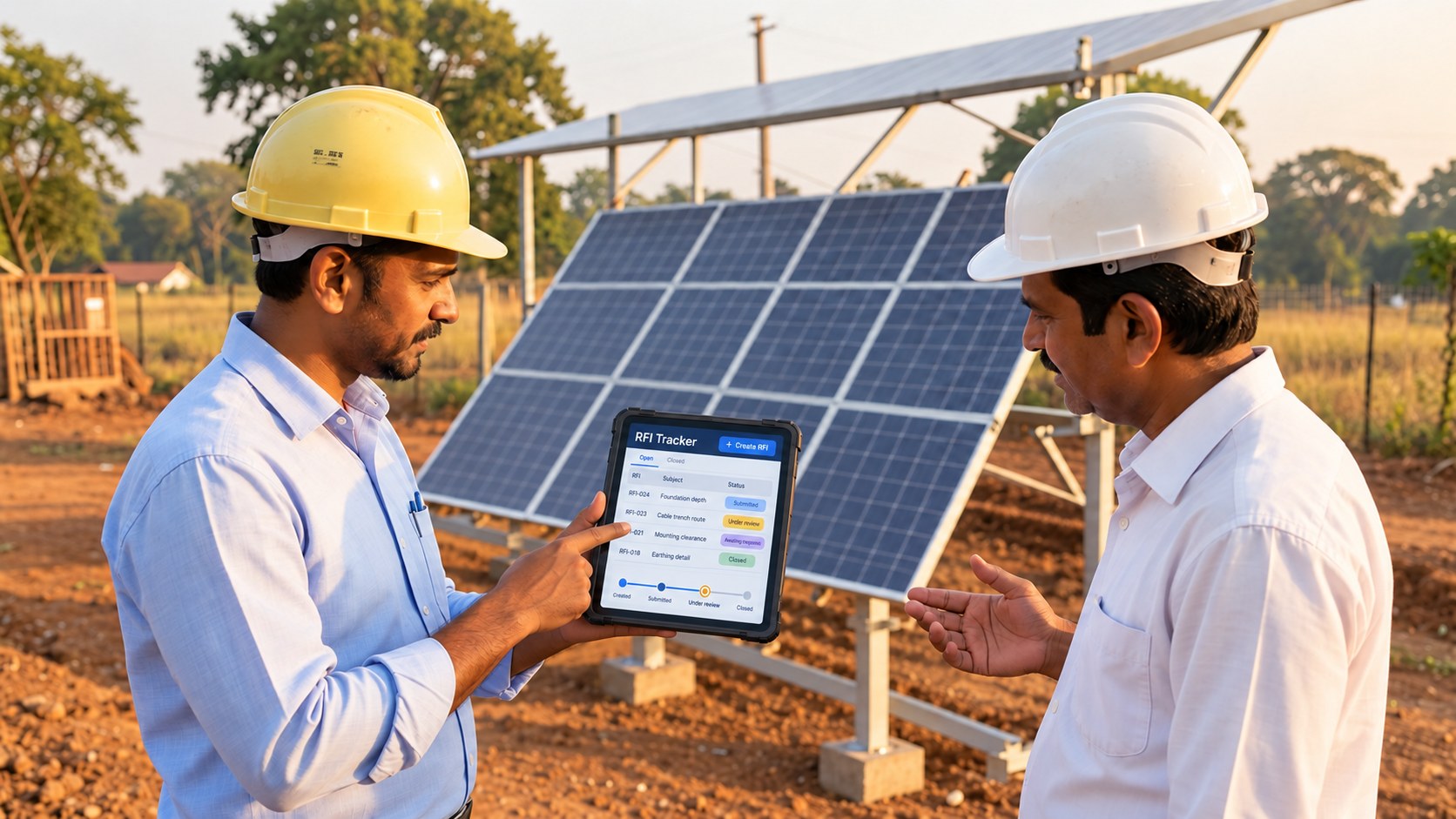
Digital RFI creation and tracking
RFIs created in the system and tracked through to closure. The current stage of every open RFI is visible in one place, without a status call or an email trail.
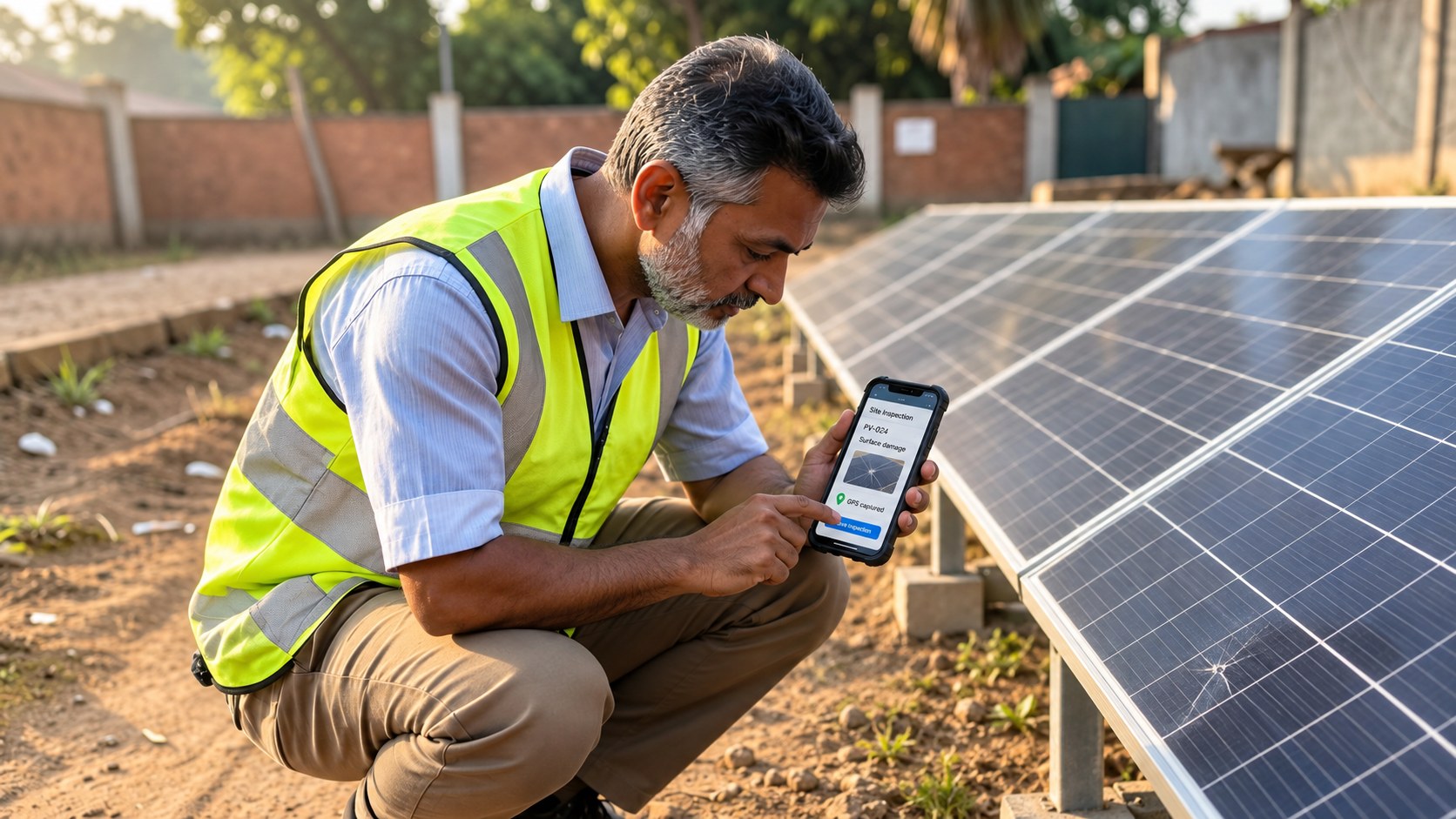
GPS-enabled mobile inspection workflows
Inspections carried out on site from a mobile device, with GPS location captured alongside the entry. Findings are recorded where the work is, in the same visit.
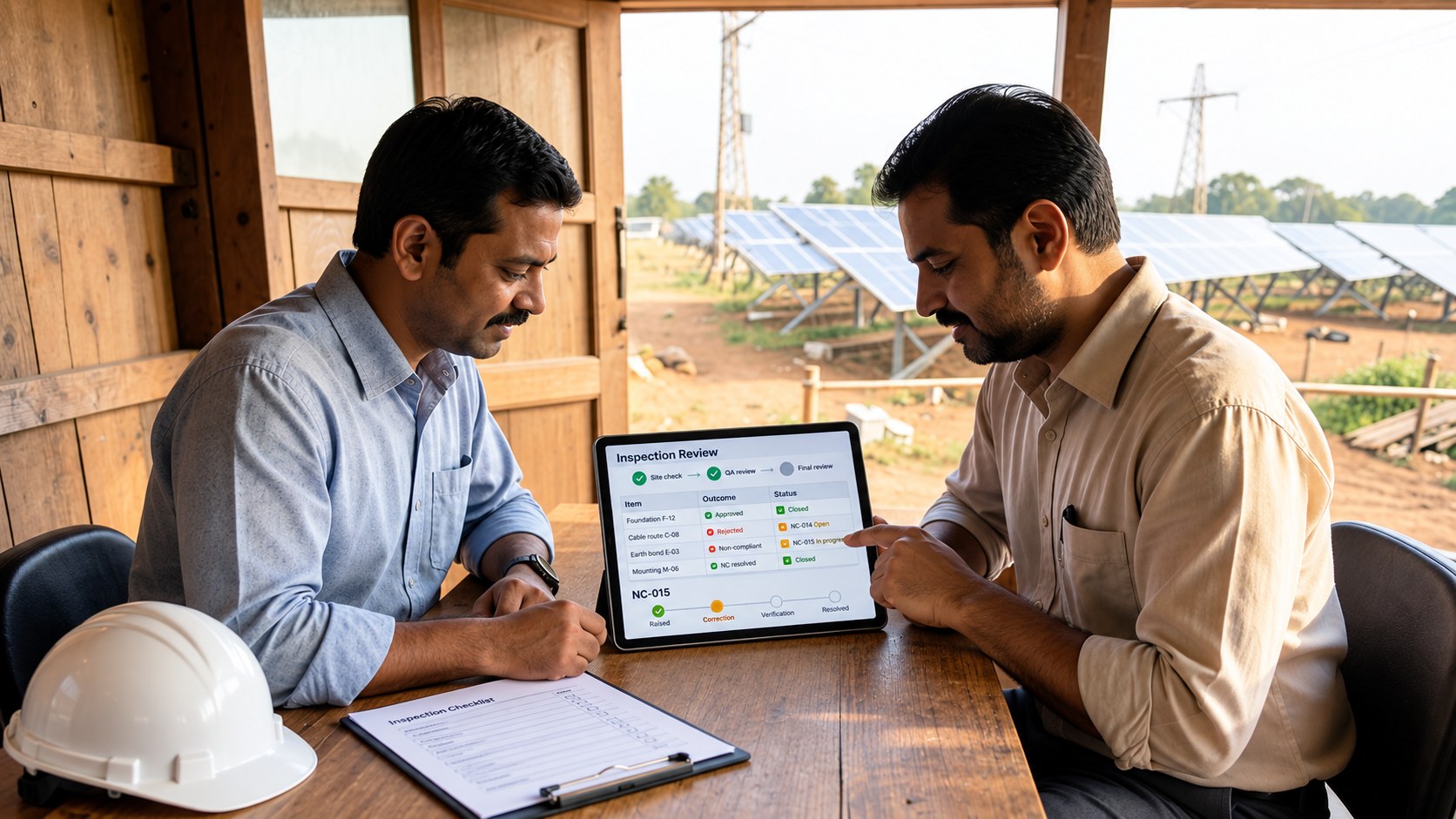
Multi-stage approval, rejection & NC management.
Every inspected item carries a recorded outcome. Approvals close out. Rejections and non-compliances are raised as NCs and tracked through to resolution.
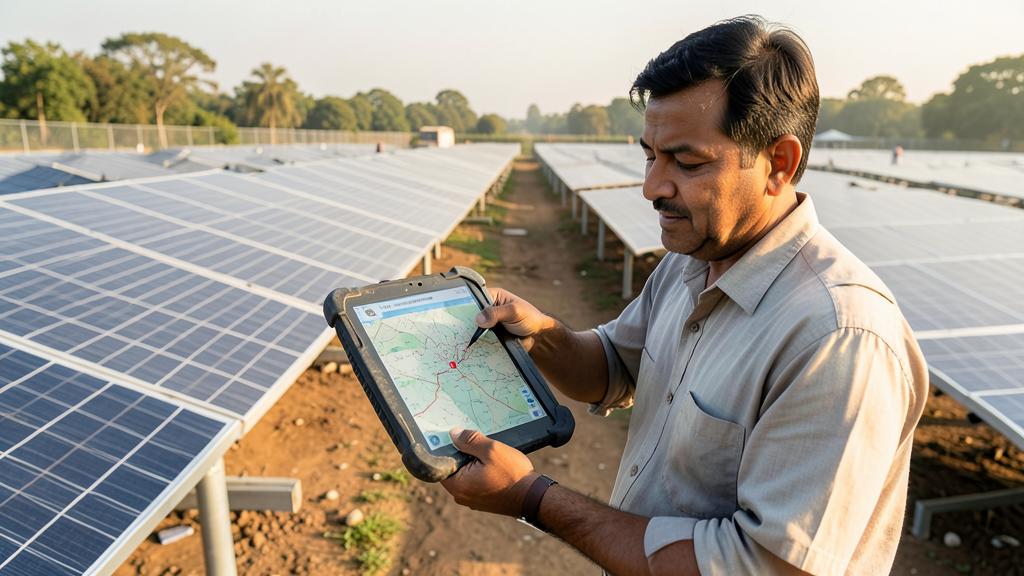
Offline, smartphone-accessible application
Each issue is pinned to its actual position on the project map. Teams see what is open and where, so a defect is tied to a specific location on site rather than to a description of it.
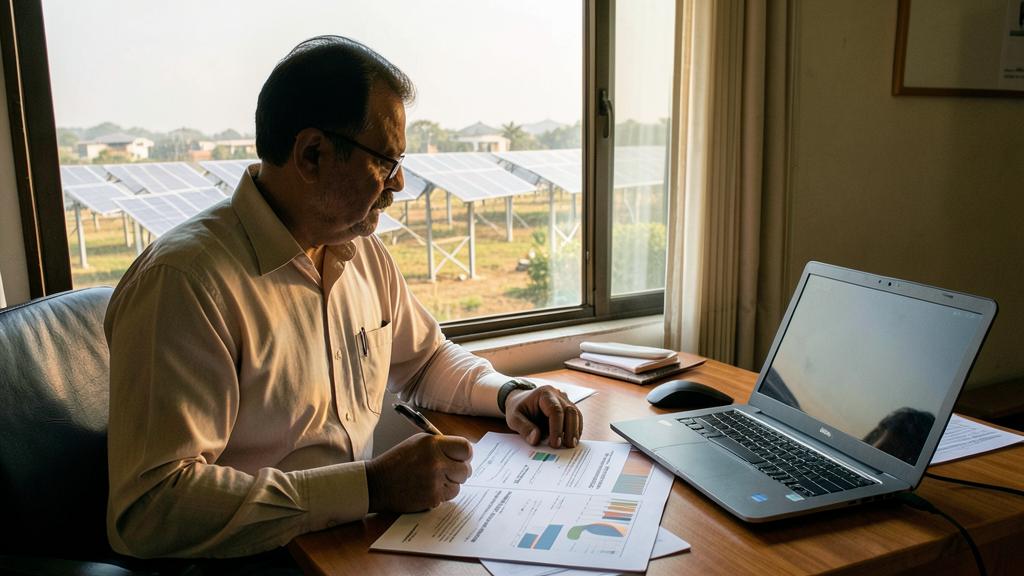
Automated QA/QC report generation
QA/QC reports are generated within the platform in a consistent format, without a separate manual compilation step.
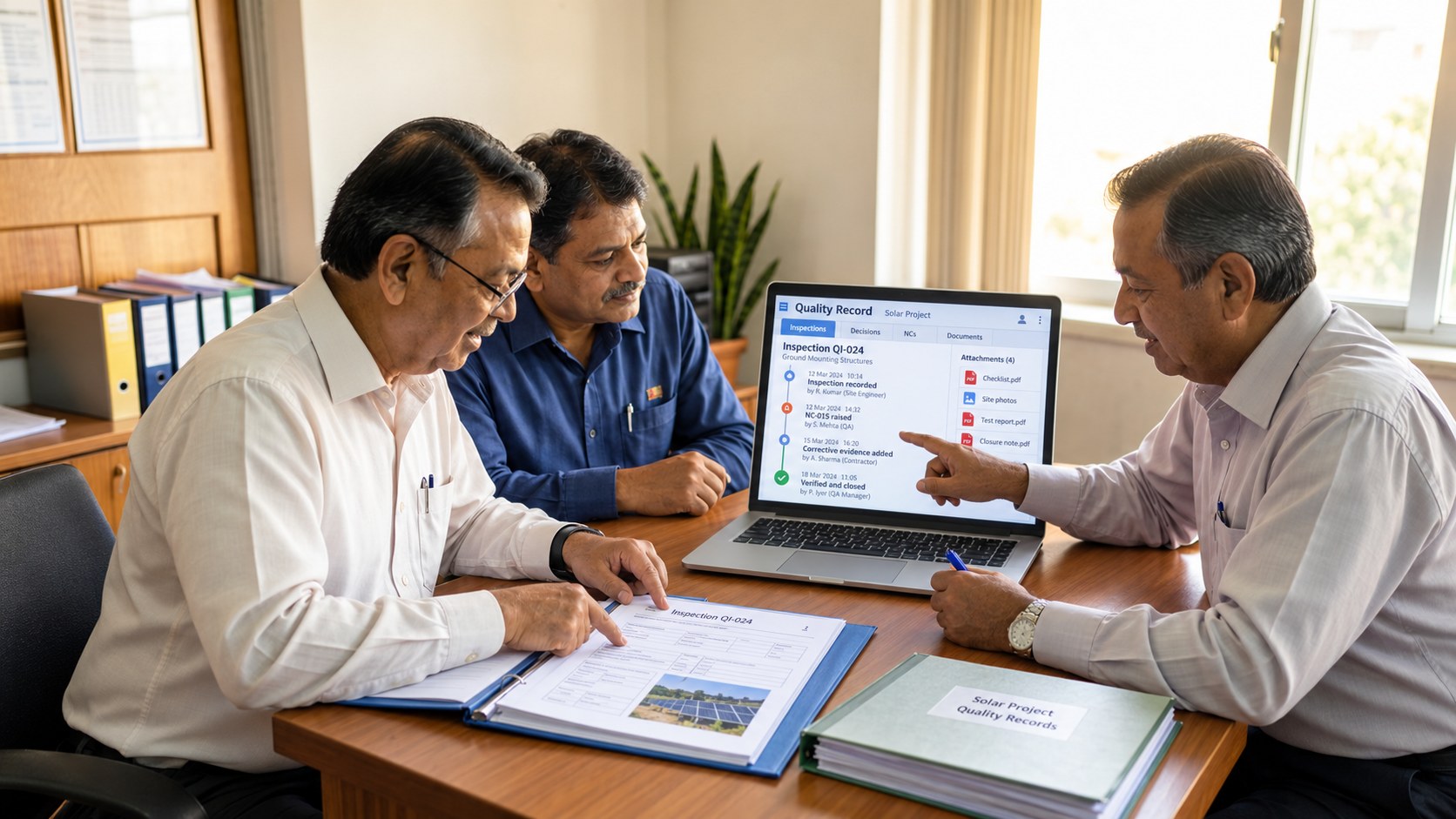
Audit-ready quality history and documentation
The quality record is retained in one place, with inspections, decisions, NCs and supporting documentation held together and available for internal review and client audits.
Fewer follow-ups, cleaner records, faster closures
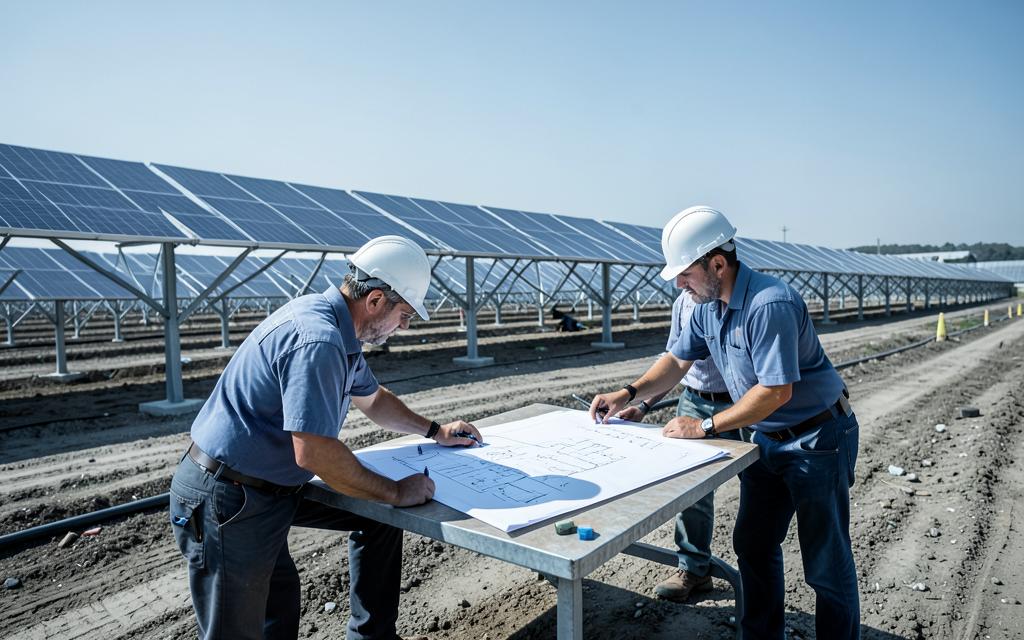
Location is part of the record, not a note in it.
GPS on inspections and geo-tagging on the project map mean every finding carries where it came from.
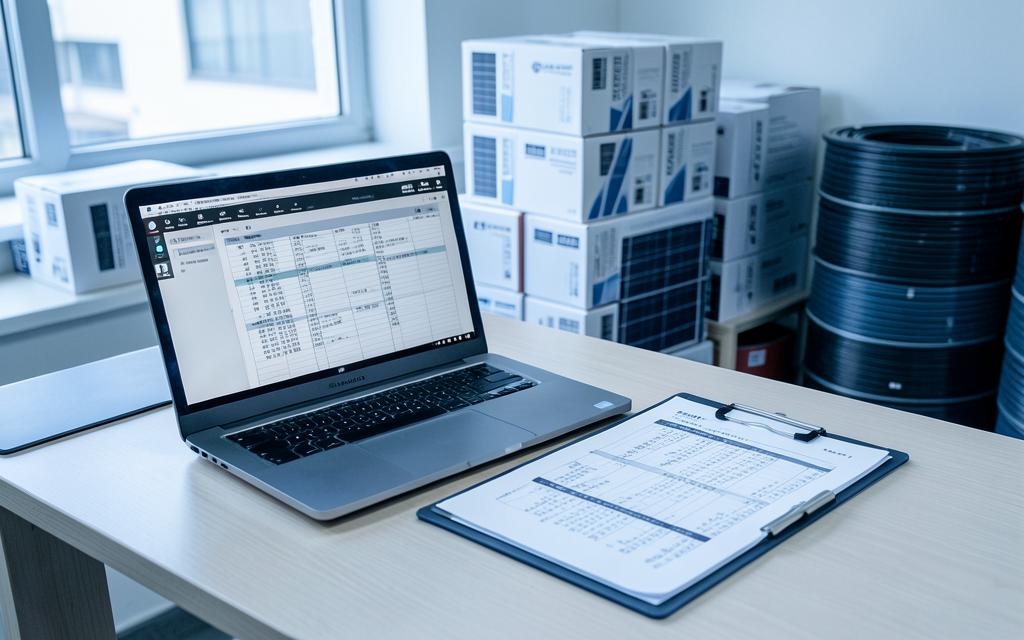
Inspection and outcome in one place.
The check, the decision and the NC it raises all sit in the same system, so nothing has to be pieced together from separate records.

Reporting inside the same system.
QA/QC reports are generated in the platform, so reporting is not a separate exercise after the inspection round.
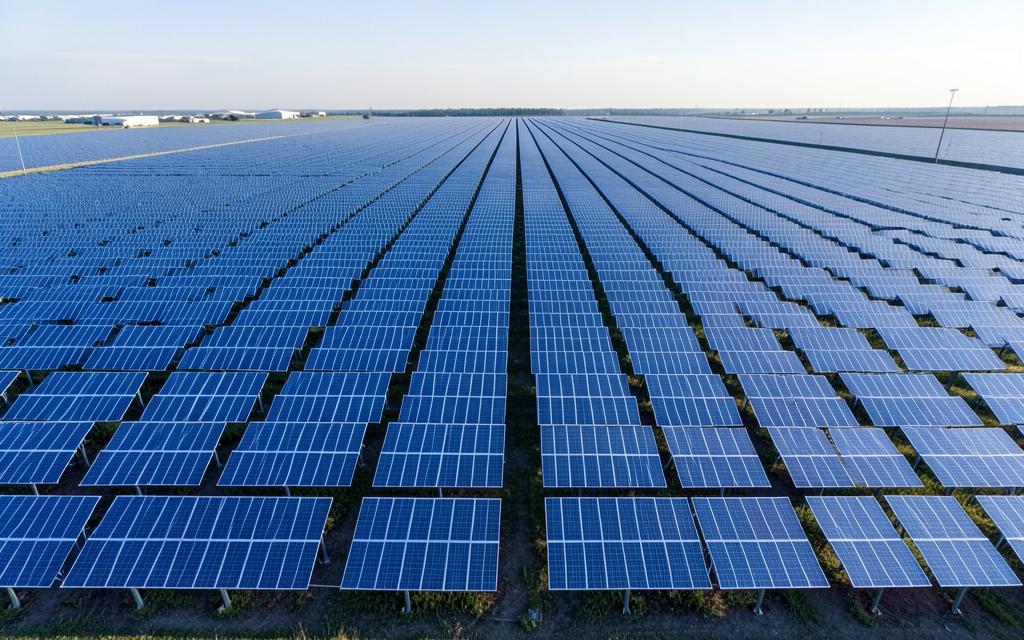
A quality history that accumulates.
The record grows as inspections are completed, rather than being assembled when an audit is called.
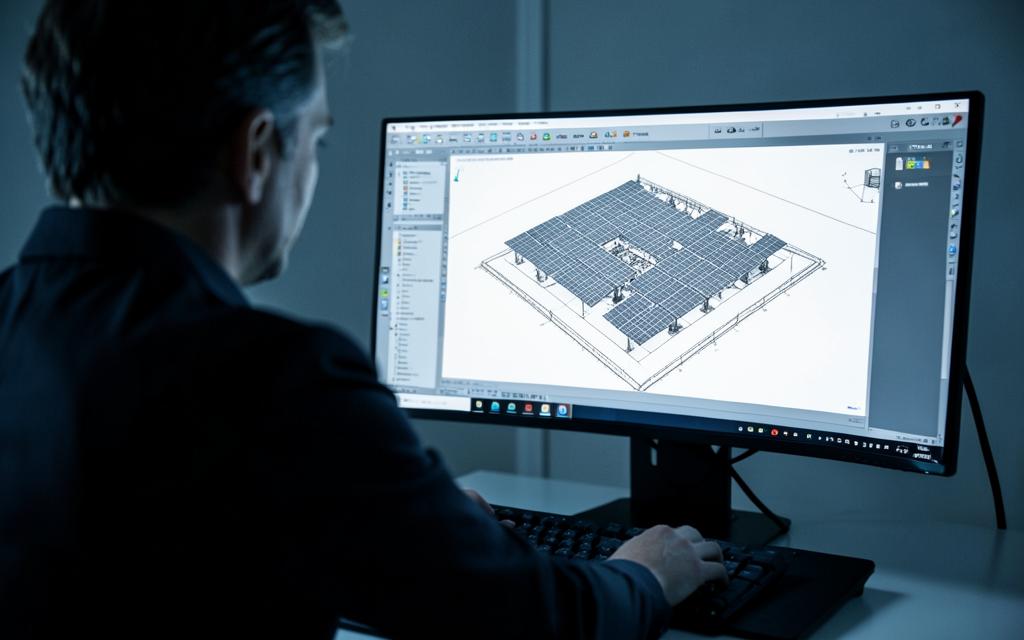
Captured on site, on mobile.
Site teams record findings where the work is, in the same visit, without a second data-entry step.
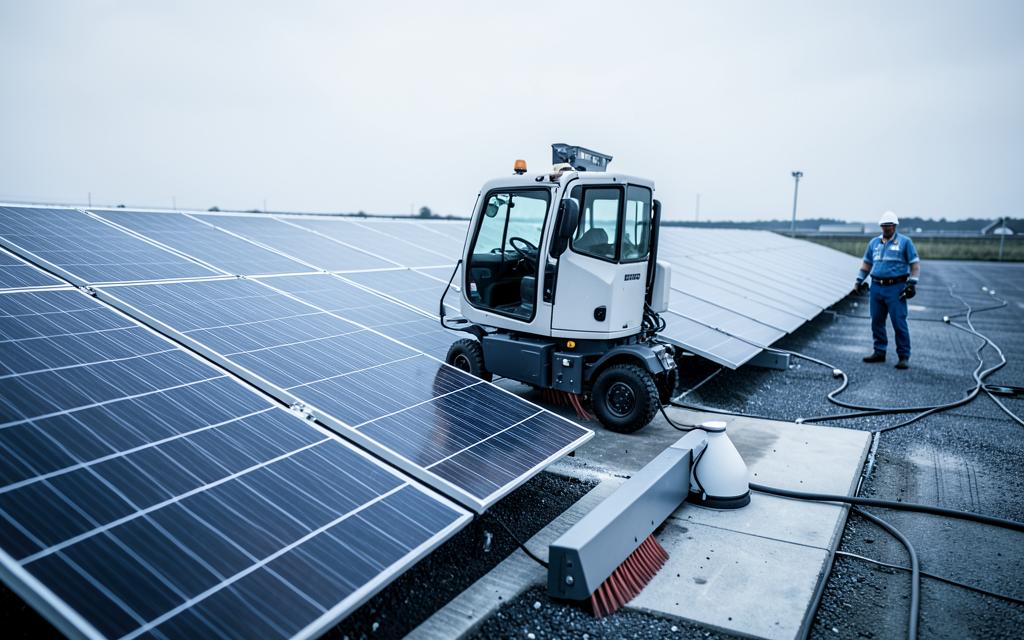
Part of the project lifecycle, not a standalone tool.
Quality Management sits within the BuildNova AI platform, alongside the other stages of renewable project delivery.
What a single quality record changes on the ground
What contractors and developers report after moving to EPC quality management software:
Clearer status on every open item
RFIs and NCs have a visible stage and an owner, which reduces follow-up and chasing.
Less rework on records
Findings are captured once, on site, instead of being written down and entered again.
Issues that can be located
Geo-tagged logging makes it clear which part of the site an issue belongs to.
Consistent QA/QC documentation
Reports come out in the same format across blocks, teams and projects.
A stronger position at audit
Quality history sits in one place, so an audit draws on a record that already exists.
Fewer gaps between site and office
Documentation stays with the project, and the same record is available to the team on site and the team reviewing it.
Site quality, in one system. Powered by BuildNova AI.
See inspections, non-compliances and QA/QC reporting running on your own site data.